Treatment preparation is a fundamental part of the healing procedure for people and the households that we serve. The treatment prepares you write act as roadmaps for the customers' healing process while in your care. When you're learning how to compose a treatment prepare for compound abuse, it starts with a comprehensive biopsychosocial evaluation of the customer.
It will likewise consist of how his/her substance use has impacted all of the above. The majority of EMR systems should have a basic biopsychosocial evaluation available to utilize. When you write a treatment plan be sure to use these four steps: Determining the behavioral definitions/problem statements Goals Objectives Interventions The behavioral meanings, also called "problem declarations," are based on the details that was gathered from the biopsychosocial assessment.
Typically, the clinician will identify a few highlighted problem areas to focus on for the behavioral definitions, which typically relate to the diagnosis from the biopsychosocial. Some examples of behavioral meanings from the Wiley Treatment Coordinators are: "Continued compound usage despite understanding of experiencing relentless physical, legal, financial, employment, social, and/or relationship problems that are directly brought on by the use of the substance - how does treatment and recovery for a teen help overcome addiction.
Reports suspension of essential social, leisure, or occupational activities due to the fact that they disrupt utilizing." The next action in composing a treatment strategy is objective recognition. What does your client want to alter while in treatment? Generally, a well-written drug abuse treatment plan will have two to 3 goals to accomplish while in treatment.
Remember that along with each goal, you need to compose a goal that defines what the client will do to achieve the objective, in addition to intervention, which specifies what the clinician will do to assist the patient finish the objective. Improve the quality of life by keeping ongoing abstinence from all mood-altering chemicals.
I will discuss this in a group setting and with my therapist within the first one month of treatment. Intervention: Designate the customer a homework exercise in which he/she recognizes high-risk self-talk, identifies predispositions in the self-talk, generates alternatives, and tests through behavioral experiments. Challenge the client to share in a group setting with his or her peers.
The Buzz on What Are The Treatment For Video Game Addiction
A basic standard is that if you can not really see the client do something, then it's a goal. A fine example of this is patients improving their lives. You can't see that. If you can see the customer do something, such learn new coping methods, then it is an objective.
This concentrates on the qualities of being "Particular, Measureable, Obtainable, Relevant, Time Sensitive." It is essential for you to bear in mind that when the treatment strategy is written it doesn't end there. The idea is that the treatment strategy is treated as a living file, updated routinely throughout the course of treatment, as the customer improves and satisfies time frame on his/her treatment strategy.
You can even upgrade the treatment plan and assign research to the patient each time you consult with them for specific treatment. What do you think about our template? Is there anything you believe we should include? If so, include it in the remarks listed below. It is very important to do a thorough job on the treatment strategy you produce.
You can see the features of our EMR here that include the Wiley Treatment Organizers and matching research. If you require assistance understanding EMR vs EHR, you can check out it here. Fill out the type below or click here to schedule a demonstration. Source:.
The excellent treatment strategy is a comprehensive set of tools and techniques that attend to the customer's identifiable strengths along with her or his problems and deficits. It provides a technique for sequencing resources and activities, and recognizes criteria of development to guide evaluation.Center for Compound Abuse Treatment( CSAT) 1994d, p. A treatment strategy.
is a map specifying where customers remain in healing from substance usage and criminality, where they need to be, and how they can best utilize available resources( individual, program-based, or criminal justice) to get there. At a minimum, the treatment https://how-long-can-postpartum-depression-last.mental-health-hub.com/ plan serves as a basis of shared understanding between the customer and treatment suppliers.
A Biased View of Who Licenses Addiction Treatment In Ca
There are many techniques to treatment planning, however they possess some basic commonness; this chapter talks about each in additional information. The intensity of compound abuse-related issues need to be identified, since this is the basis for proper placement in a treatment program. In addition, the presence of co-occurring mental conditions must be examined because these might limit the kind of treatment method and identify the need for psychiatric care.
The degree to which the person is motivated to change habits and way of life is another vital element that has a bearing on whether inspirational enhancement interventions, sanctions, or more self-directed treatments are suitable. Finally, offender-clients must be involved in establishing their treatment strategy so that they can be described appropriate services in the neighborhood.
Typically treatment participation within the criminal justice system is based mainly on a conviction or plea to a drug-related offense. Although the number and kind of substance-related charges is in some cases a relatively excellent sign of compound abuse and associated problems, the offense classification alone is not a foolproof indicator of treatment need or of suitability of recommendation to a specific program.
Utilizing multiple signs for evaluating the severity of a compound usage condition is very important since people with few substance-related problems usually do not respond positively to extensive treatment and stop working to relate to the process of recovery. Close association with more severely impacted culprits can result in the less-severe offender becoming mingled into a criminal and drug-oriented way of life through contagion of attitudes and introduction to a criminal social media network.
Typically this likewise entails taking a drug history that asks about the frequency, dose, and kinds of substance abuse. A drug history might likewise inquire about the times at which, or settings in which, a wrongdoer uses. Assessment of the seriousness of a substance usage disorder may cause an actual diagnosis of a compound usage or dependence condition.
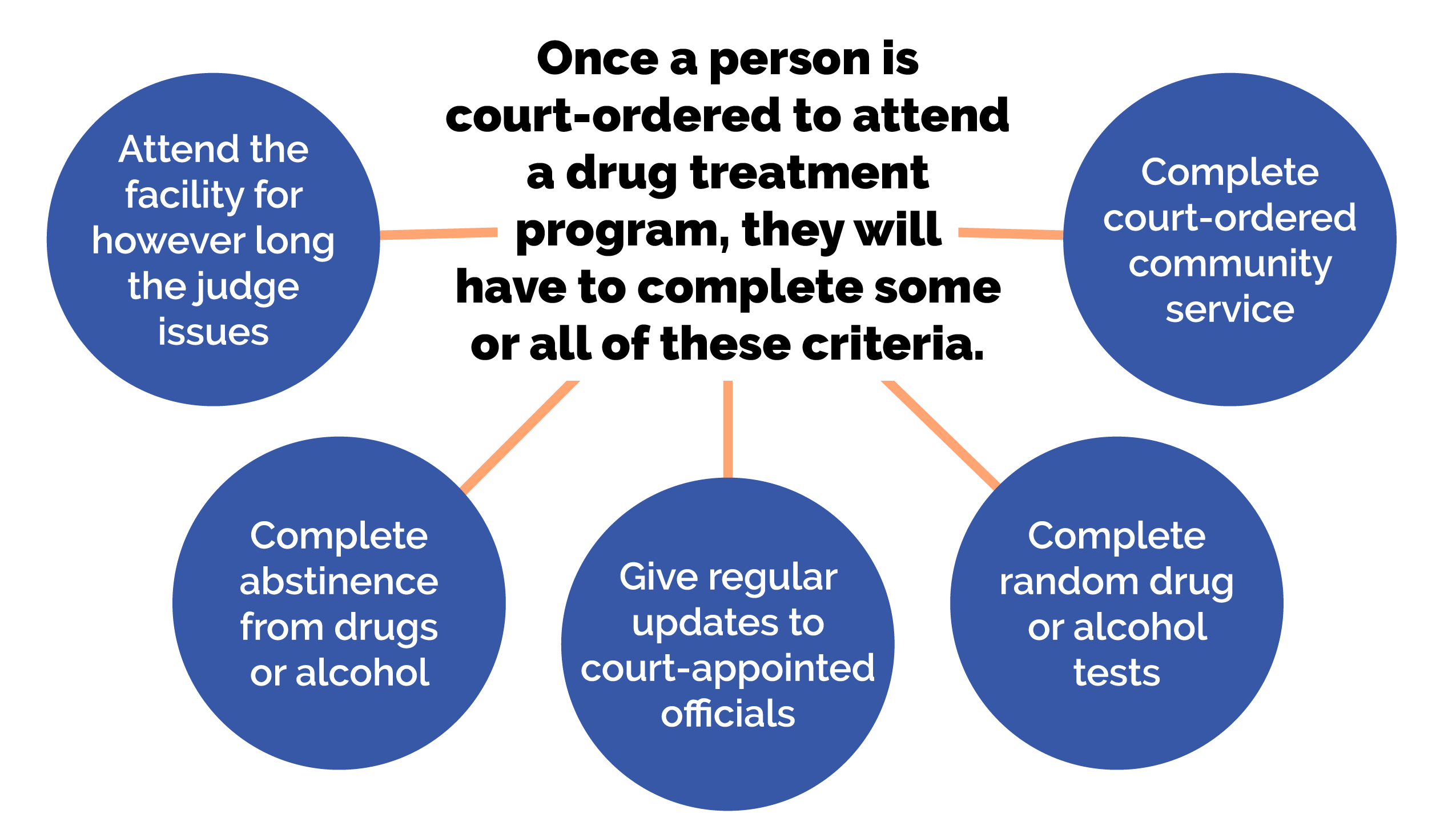
Likewise, most settings lack the certified staff and time needed to make official diagnoses, and clients are sometimes in the setting for too short a time to delay treatment while waiting for official diagnosis of a substance use disorder. In these settings, scientific impressions are more feasible than are official medical diagnoses, and good sense, helped where possible by standardized assessment instruments, need to prevail in deciding whether and how to offer treatment services.
4 Simple Techniques For What Is The Latest Treatment For Opioid Addiction
Wrongdoers with extreme compound use disorders have fairly high rates of affective conditions, anxiety disorders, and personality disorders. These disorders can add to the development of compound use issues, or the psychological conditions may develop as an effect of the physiological impacts of enduring drug usage and the stressful or distressing life events that are frequently experienced as part of a lifestyle in which drug use plays a main role (how could the family genogram be applied to the treatment of a family with addiction issues).
Frequently experienced conditions consist of anxiety, depression, and posttraumatic tension disorder (PTSD) (Teplin et al. 1996). Establishing programs to assist those with co-occurring psychological and compound use disorders requires incorporating treatments and customizing frequently utilized interventions to take into account possible cognitive impairments and increased requirement for assistance among these people.